Building a Safer Workforce: Why Electric Safety Training Matters Across All Industries
Creating a Culture of Safety That Spans Every Industry
Every industry, from construction and manufacturing to healthcare and retail, depends on electricity to function. Yet no matter how advanced the technology or how skilled the workforce, one constant remains: without proper electric safety training, every system, every worker, and every facility is at risk. Electricity is invisible, fast, and unforgiving — and even a small mistake can lead to serious injury, equipment damage, or costly downtime. That’s why investing in electrical safety training isn’t just about compliance; it’s about building a workforce that understands how to work safely, confidently, and responsibly around one of the most powerful forces in modern life. The best electric safety training company helps create safer workplaces by teaching preventive measures that protect workers and expensive equipment alike.
Electric safety training provides employees with the tools and awareness needed to recognize potential hazards before they escalate. It’s not limited to electricians or engineers — everyone in the workplace benefits from understanding how to spot risks, handle equipment correctly, and respond to emergencies. A single frayed cord, overloaded outlet, or improper grounding can cause a chain reaction that disrupts operations and endangers lives. Through comprehensive training, workers learn to think proactively, preventing problems rather than reacting to them.
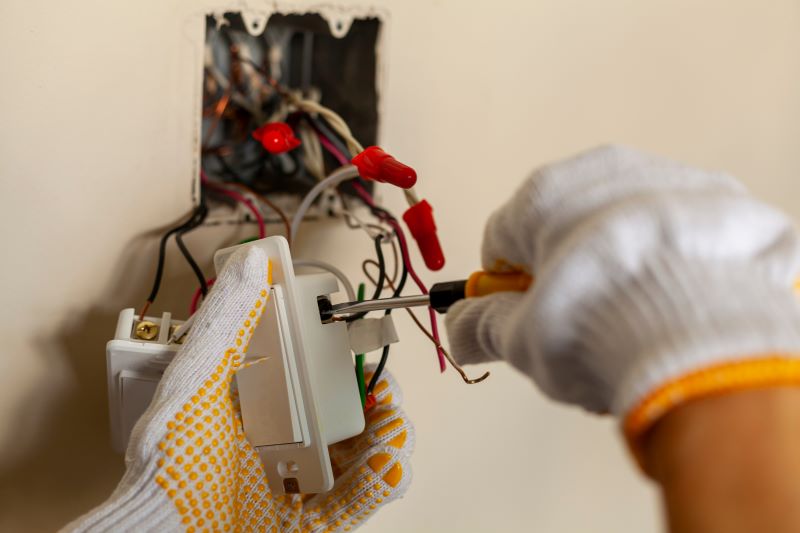
For industries that rely on high-energy equipment or large-scale electrical systems, this training is a lifeline. Manufacturing plants, for example, deal with heavy machinery powered by complex circuits that demand respect and precision. In healthcare, medical devices must function flawlessly to protect patients. Even in offices and retail environments, electrical fires and shocks are far more common than most realize. When teams understand the risks and know how to act safely, the entire organization benefits — fewer incidents, smoother workflows, and greater confidence across the board.
What makes electric safety training so valuable is how it transforms awareness into culture. It teaches employees to not only follow rules but to look out for each other. That sense of shared responsibility is what builds truly safe workplaces. Management sees fewer disruptions, employees feel more secure, and everyone understands that safety isn’t a one-time course — it’s a mindset that evolves with every shift and every project.
In today’s fast-moving industries, productivity and protection go hand in hand. A safer workforce isn’t just better prepared — it’s more efficient, reliable, and resilient. Electric safety training is the foundation for that transformation. When knowledge flows freely and safety becomes part of everyday conversation, accidents decrease, trust grows, and workplaces thrive. That’s how industries, big and small, power progress without sacrificing the people behind it.